

Coastal storms and nor’easters can knock out power on Cape Cod for hours or days. A plan for backup power, set up safely, keeps the essentials running.
Standby or portable
A standby generator is installed permanently and starts on its own when the power goes out. A portable generator is cheaper and flexible, but you set it up and run it by hand.
Always use a transfer switch
Connecting a generator through a transfer switch keeps it separate from the utility lines. Plugging a generator into a wall outlet, called backfeeding, can injure line workers and damage your equipment.
Choose what to back up
Most homes back up a short list of circuits: heat, the refrigerator, the well pump or sump pump, some lights and outlets. An electrician helps you match the list to the generator size.
Run it outside
Run portable generators outdoors, far from doors, windows and vents, and keep carbon monoxide detectors working inside.
After the storm
If water reached outlets, the panel or wiring, keep the power off in that area and have it checked before you use it again.
What to do next
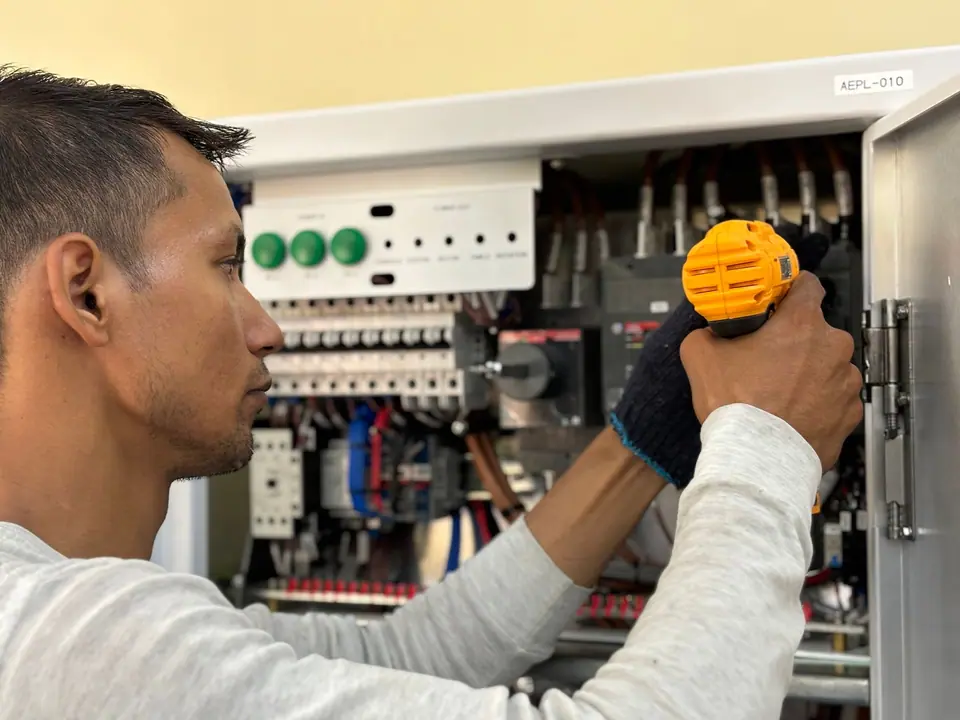
Set up your backup power before storm season. A licensed electrician can install the transfer switch, connect the generator and test the system under load. See our generator service or request a free estimate.
This article gives general information. Electrical work should be done by a licensed electrician.